Description
“`html
11 Foot (3.42 m) Plywood Utility Skiff Plans
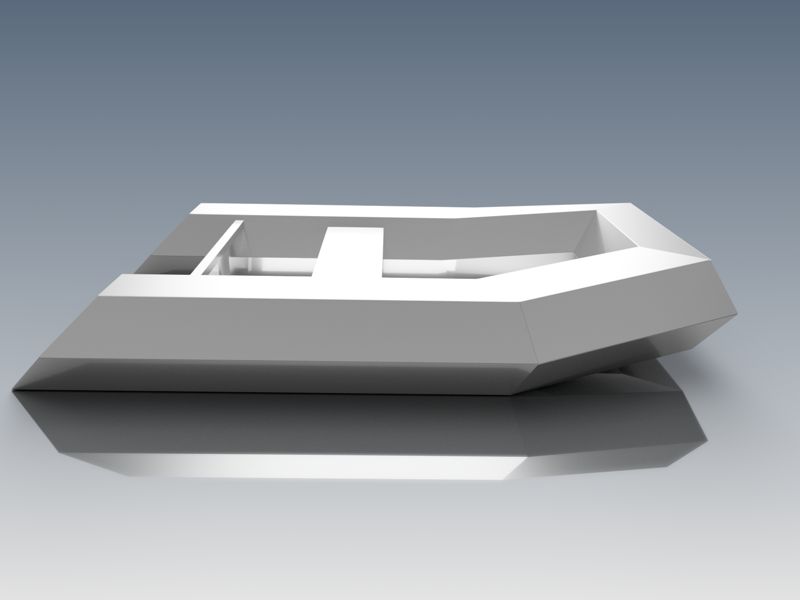
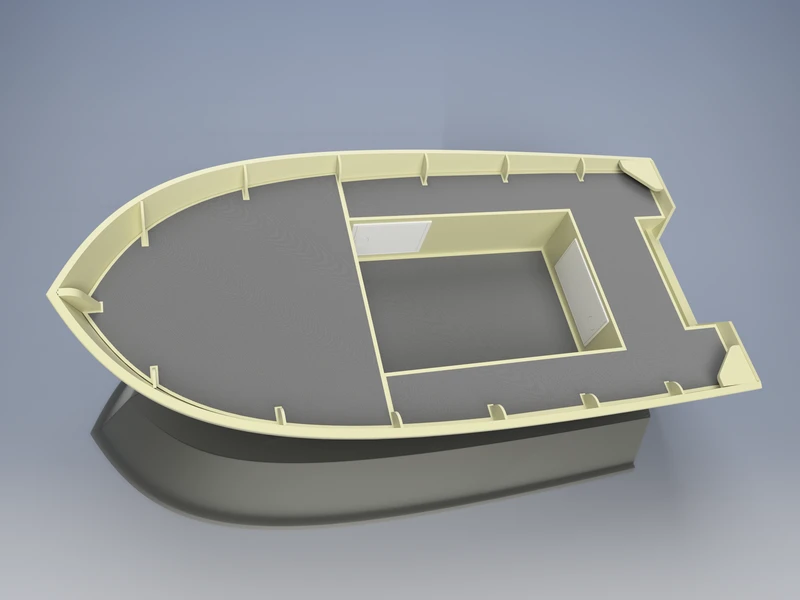
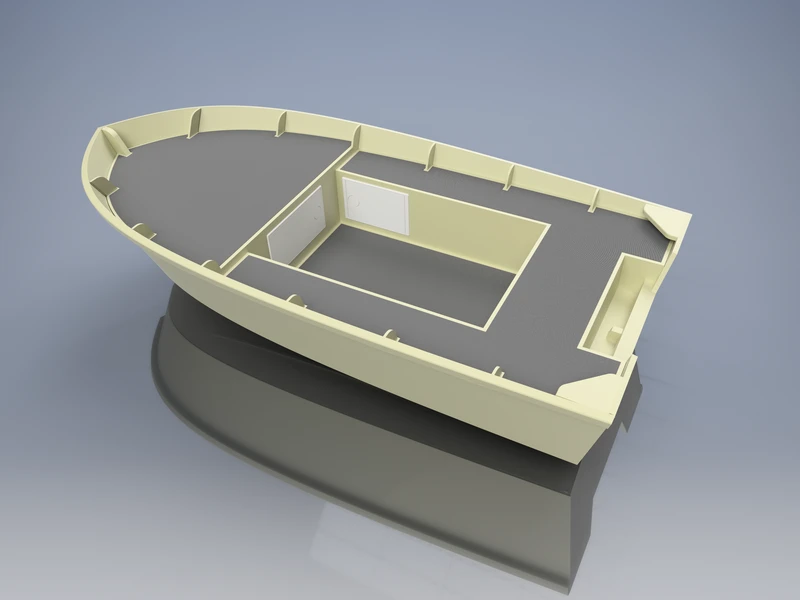
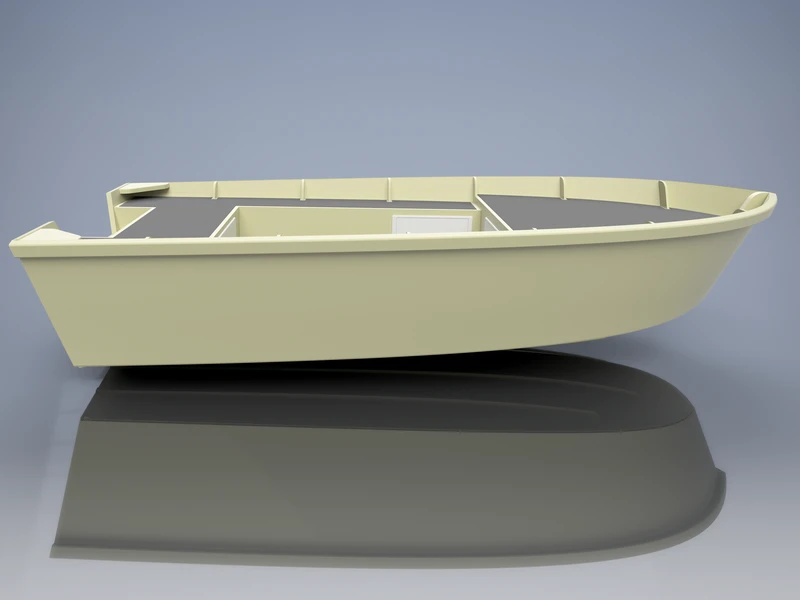
The 11 Foot (3.42 m) Plywood Utility Skiff is a compact and practical V-bottom boat designed for fishing, recreation, and general utility use. With a 63″ (1.60 m) beam, progressive deadrise, deep interior, and generous integrated storage, this design offers a good combination of stability, comfort, and usable onboard space.
The boat is designed for 10–25 HP outboard engines and can be built with either a 15″ short-shaft or 20″ long-shaft transom. Its straightforward upside-down construction method makes it especially suitable for beginner and DIY boat builders.
Main Features
- 11′ 3″ (3.423 m) plywood utility skiff
- V-bottom hull design
- 63″ (1.60 m) overall beam
- Progressive deadrise from stern to bow
- Large cockpit floor area
- Multiple integrated storage compartments
- Total storage capacity: approximately 124.4 gal (471 liters)
- 15″ and 20″ transom options
- Recommended outboard engine: 10–25 HP
- Simple upside-down construction
- Ideal for beginner and amateur builders
Technical Specifications
- Hull type: V-bottom utility skiff
- Length overall: 11′ 3″ (3.423 m)
- Beam overall: 63″ (1.60 m)
- Cockpit floor: 35.4″ x 52.8″ (900 x 1342 mm)
- Side height at stern: 27.6″ (700 mm)
- Side height at bow: 32.5″ (825 mm)
- Average interior side height: 19.7″ (500 mm)
- Deadrise at transom: 11.5°
- Deadrise at midship: 15.2°
- Deadrise at bow: 26.3°
- Estimated hull weight: 342 lbs (155 kg), plywood and timber
- Stern storage compartment: 37.5 gal (142 liters)
- Bow storage compartment: 48.9 gal (185 liters)
- Side storage compartments: 4 x 9.5 gal (4 x 36 liters)
- Total storage capacity: 124.4 gal (471 liters)
- Transom inclination angle: 12°
- Transom height: 15″ (381 mm) or 20″ (508 mm)
- Recommended outboard engine: 10–25 HP
Progressive V-Bottom Hull
The hull features a progressive V-bottom with 11.5° deadrise at the transom, increasing to 15.2° at midship and reaching 26.3° toward the bow.
The moderate stern deadrise provides good stability at rest and at lower speeds, while the sharper forward section helps improve comfort and handling when running through waves and moderate chop.
Storage Capacity
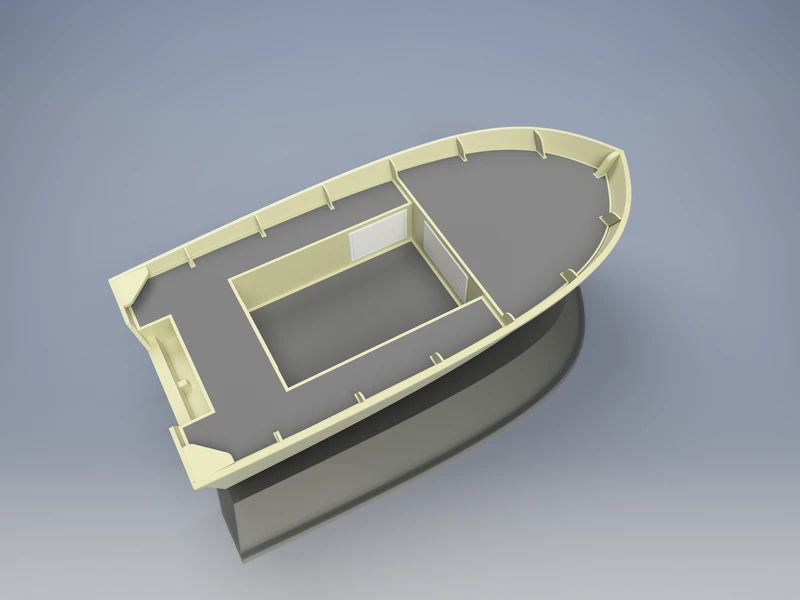
The boat provides a substantial amount of integrated storage for its compact size. The bow, stern, and four side compartments offer a combined capacity of approximately 124.4 gallons (471 liters).
- Stern storage compartment: 37.5 gal (142 liters)
- Bow storage compartment: 48.9 gal (185 liters)
- Side storage compartments: 4 x 9.5 gal (4 x 36 liters)
- Total storage capacity: 124.4 gal (471 liters)
These compartments provide useful space for fishing tackle, safety equipment, batteries, ropes, tools, and other onboard gear.
Plywood Construction
Imperial Version
- Bottom and sides: 1/4″ marine plywood
- Floor: 3/8″ marine plywood
- Frames, keel, and transom: 1/2″ marine plywood
Metric Version
- Bottom and sides: 6–6.5 mm marine plywood
- Floor: 9 mm marine plywood
- Frames, keel, and transom: 12 mm marine plywood
Construction Method
The skiff is designed for straightforward plywood and timber construction. The hull is assembled upside down, making it easier to position and align the frames, keel, bottom panels, and side panels accurately during the first stages of construction.
Once the main hull structure is complete, the boat is turned over for installation of the floor, storage compartments, seats, and remaining interior components.
The manageable component sizes and relatively simple construction method make the design well suited to home workshop construction using commonly available woodworking tools.
Difficulty Level
Difficulty level: Easy.
This design is an excellent choice for a first plywood boat project. The straightforward hull structure, upside-down construction method, and relatively simple plywood components make it particularly suitable for beginners and amateur builders.
Previous boat-building experience is not required, although basic woodworking skills and careful measuring, cutting, fitting, and assembly are recommended.
Transom and Engine Options
The boat can be built with either a 15″ (381 mm) short-shaft transom or a 20″ (508 mm) long-shaft transom, allowing the builder to match the hull to a wide range of commonly available outboard engines.
- 15″ (381 mm) – short shaft (S)
- 20″ (508 mm) – long shaft (L)
- Transom inclination angle: 12°
- Recommended outboard engine: 10–25 HP
Perfect For
- Lake and river fishing
- Recreational boating
- General utility use
- Fishing with generous onboard storage
- DIY home workshop construction
- First-time plywood boat builders
- Outboard engines from 10 to 25 HP
Instant download available after purchase – start building today!
“`